Windblown trees

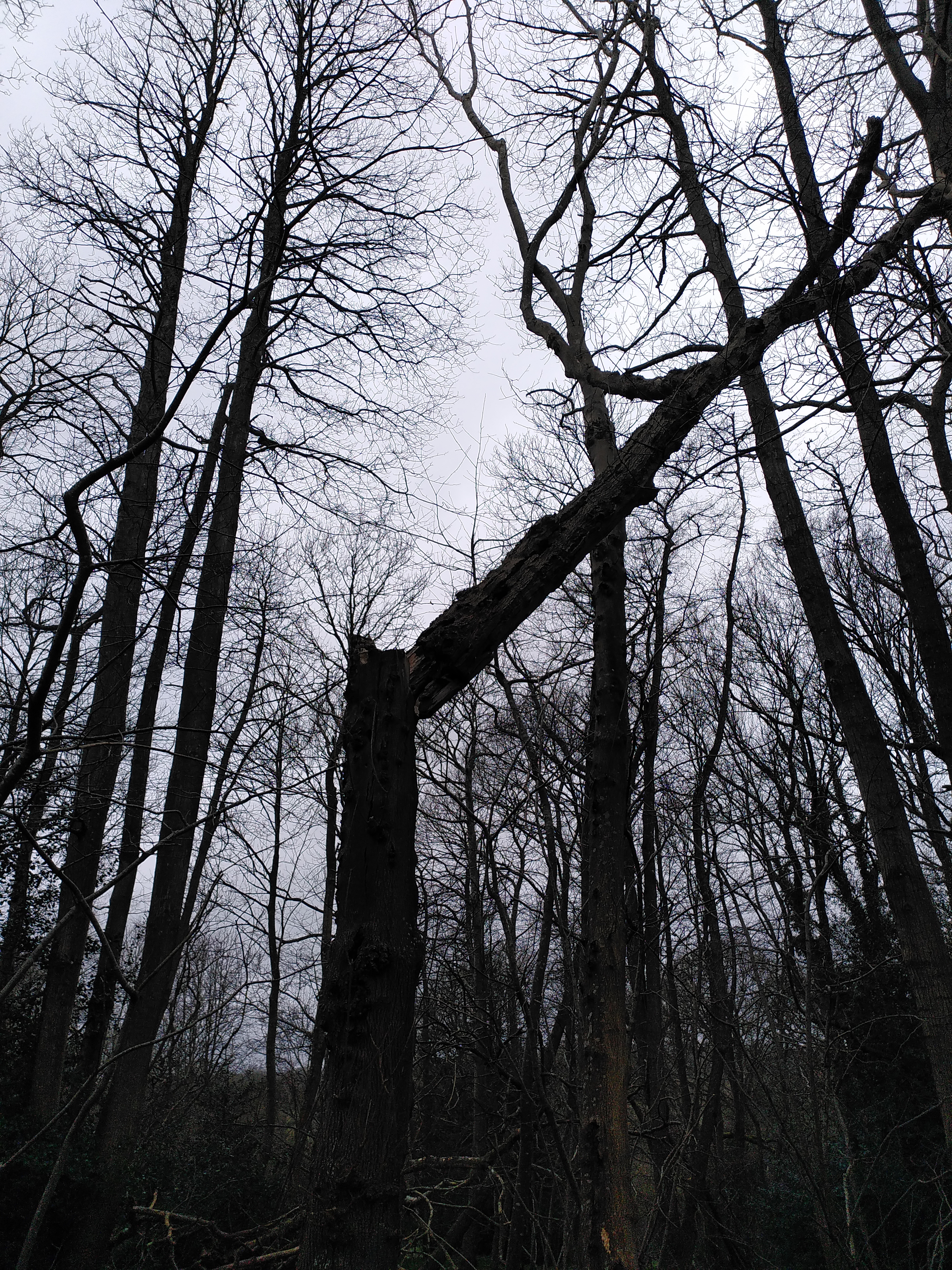
We were asked to assess a woodland that suffered from storm damage recently to schedule tree works. There were lots of trees blown down and many ‘ hung up ‘ or caught in the act of falling in other trees and some leaning at precarious angles. Our inspection highlighted the most dangerous and so most urgent, assessing each trees condition and stability. It will be many months work to safely bring them all down and decide on those to leave as habitat, dead hedges or logged up.
Climbing roses in trees

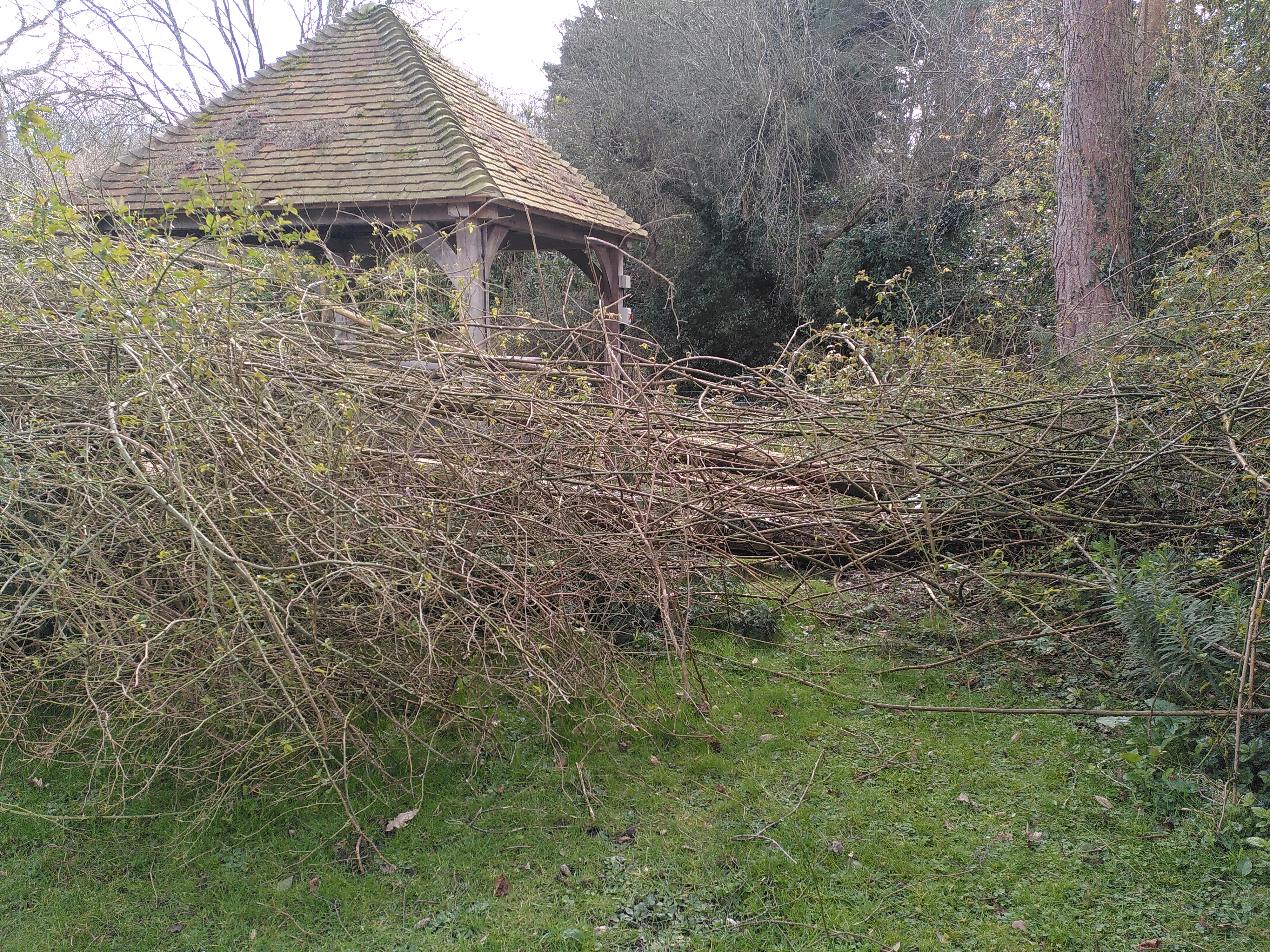
It’s worth considering the effect climbers have on trees like roses or ivy. The climber often becomes difficult to manage from the ground and can if left unpruned begin to impact negatively on the trees ability to photosynthesis . Our job over the weekend was clearing two cedars consumed by a large climbing rose , most of the work was getting the rose out and beneath the tree had lots of dead branches and probably had a much larger sail area due to the huge rose plant growing in the crown.

Fungi on trees

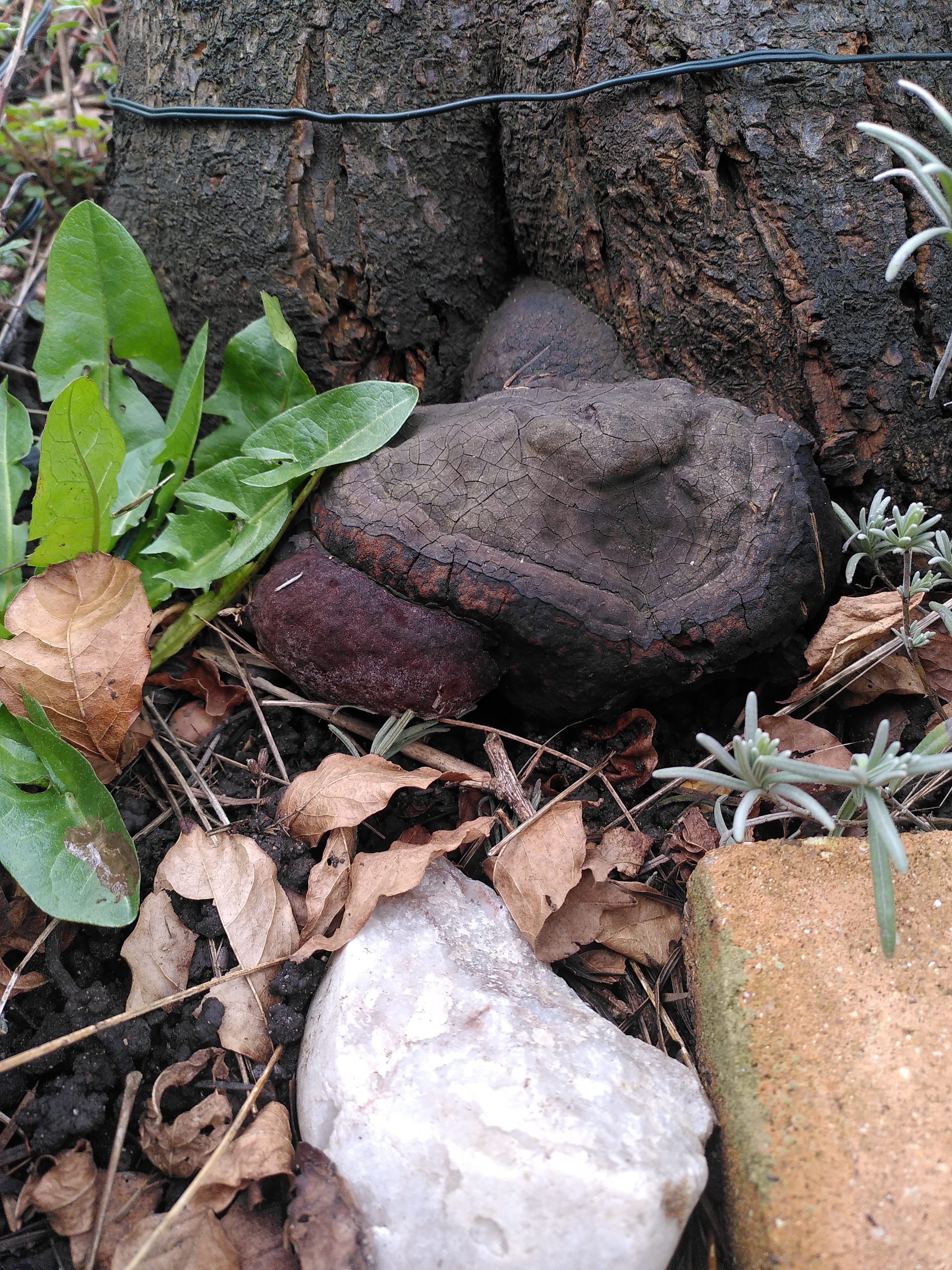
It’s worth keeping an eye out for any fungi growing on or near your trees. Some fungi is benign whereas others indicate a possible problem. Certain’Bracket’ or shelf fungi can be the fruiting body of a fungus that may be rotting the heartwood of your trees leading to possible failure. Call a qualified arborist to have a look if you can’t identify fungus and there’s lots of resources online too.

Bird nesting season

From beginning of March to August its bird nesting season and a time we are particularly aware of our interaction with the natural world. At all times we are obliged by law to not disturb nesting birds or active nests of any species. Our pre-work estimates always include a wildlife assessment so we know we are working within the law and in harmony with our environment.

Photo by 42 North on Pexels.com