Had to look this one up, it over winters these bright red cherry like fruit, first buds beginning to break
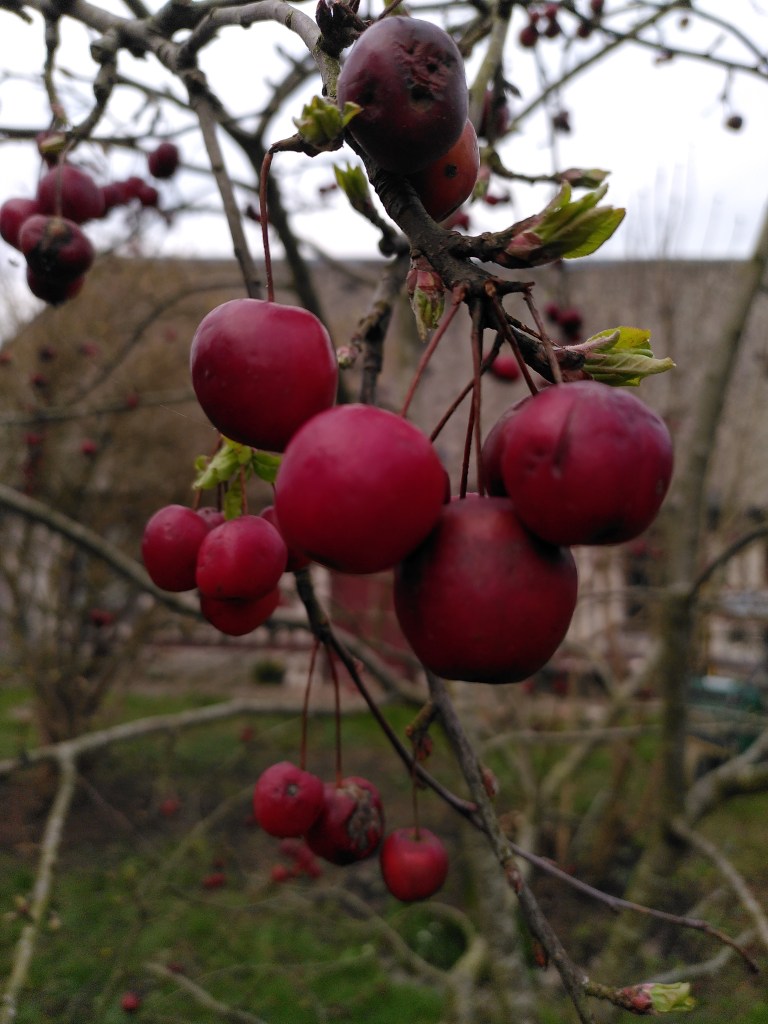
Had to look this one up, it over winters these bright red cherry like fruit, first buds beginning to break

We are clearing the beds and bases around trees of weeds, grass and winter debris and covering with compost from the compost heap as the soils begin to get some warm hours now as the winter eases into spring great to see trees and shrub buds swelling and the early spring flowers coming through

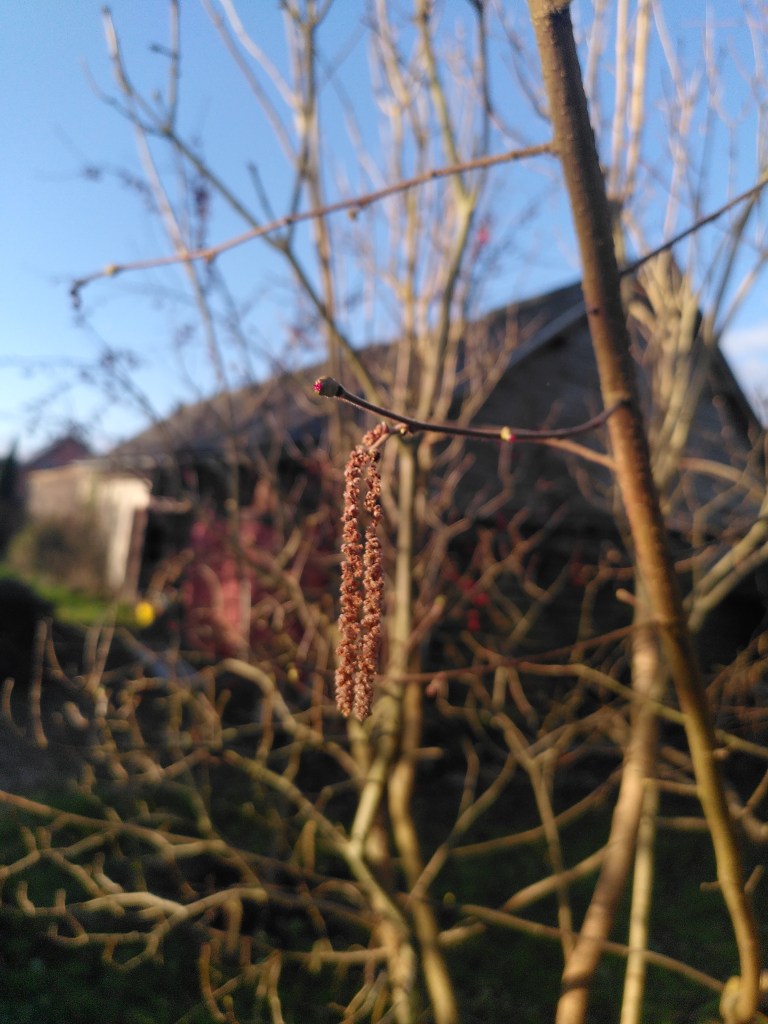
There’s lots of Hazel where we’re working some in ‘stools’ where it has been coppiced to the ground and regrown and some as established trees. It’s the perfect time to see the male catkins begin to open and sofften into lambs tails and if you look really close the tiny pink female flower that will become a hazelnut.

Feeling lucky to be working at a friend’s place in Normandy, cutting back 2 years of Honeysuckle growth to reveal the Cotoneaster framework beneath and the rustic little cob shed
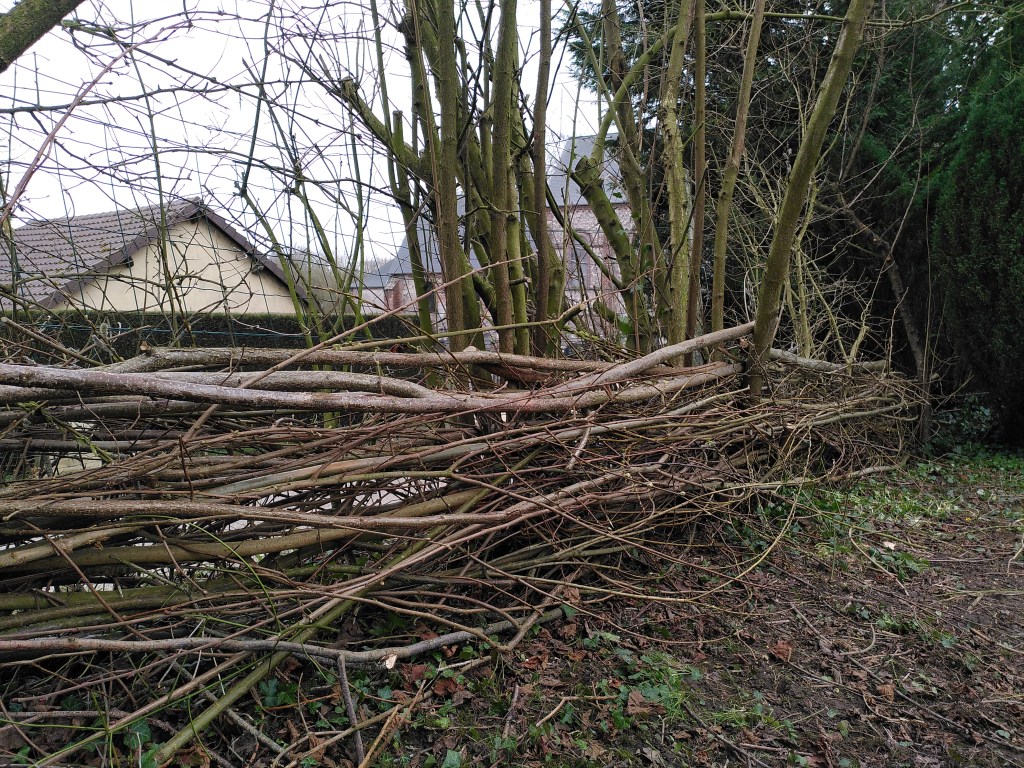
we are pruning lots of overgrown hedges and coppicing willow and hazel , some of the arisings are being dead hedged creating habitat for wildlife,under scoring a deciduous hedge and keeping green waste processing to a minimum, very satisfying work too
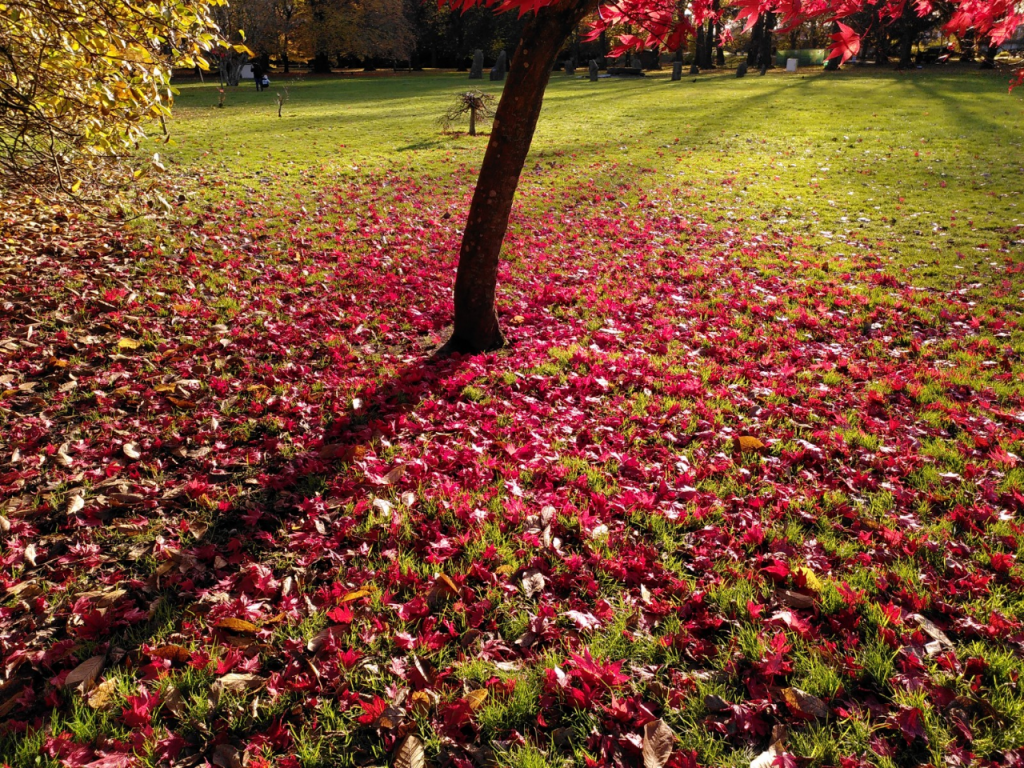
looking back to a great carpet of red leaves dropped last autumn, looking back and looking forward to spring
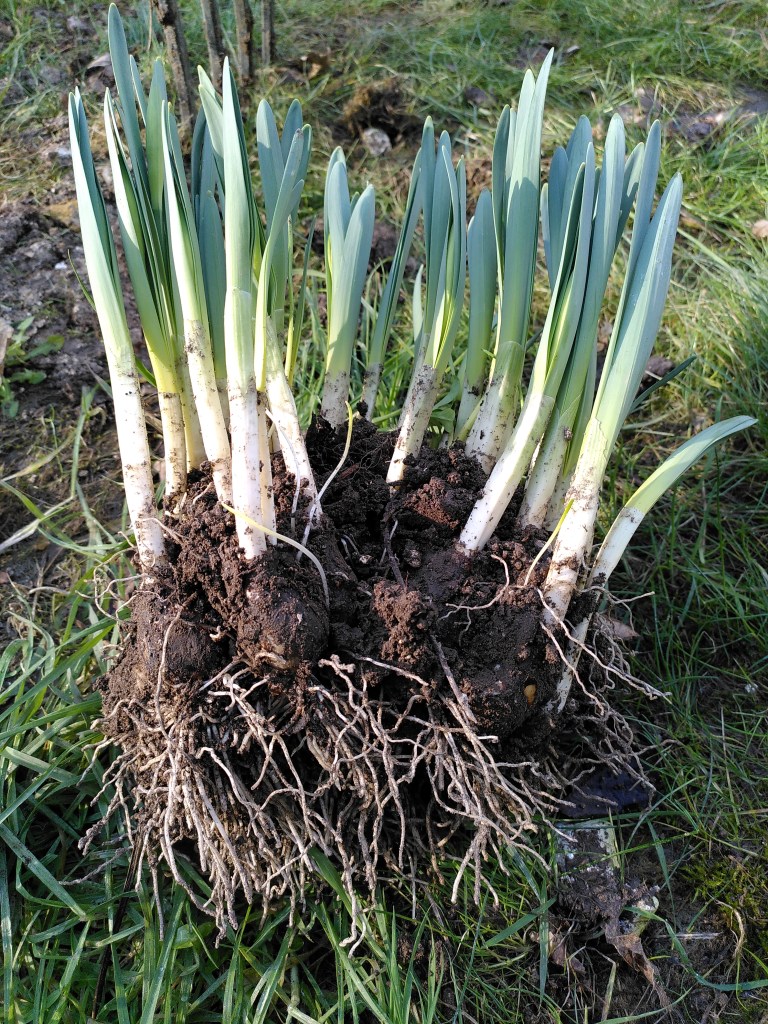
We transplanted a lot of bulbs Friday, handfuls of slices of earth showing the emerging bulbs down to their roots. Its wonderful to see the spread of these tiny hairs as they search out nutrients. Trees rely on Mycorrhizal fungi who their roots search out and partner up with in a mutually beneficial relationship. The fungi effectively extend the root system searching out nutrients and moisture in exchange for sugars from the tree roots, ain’t nature a marvel!
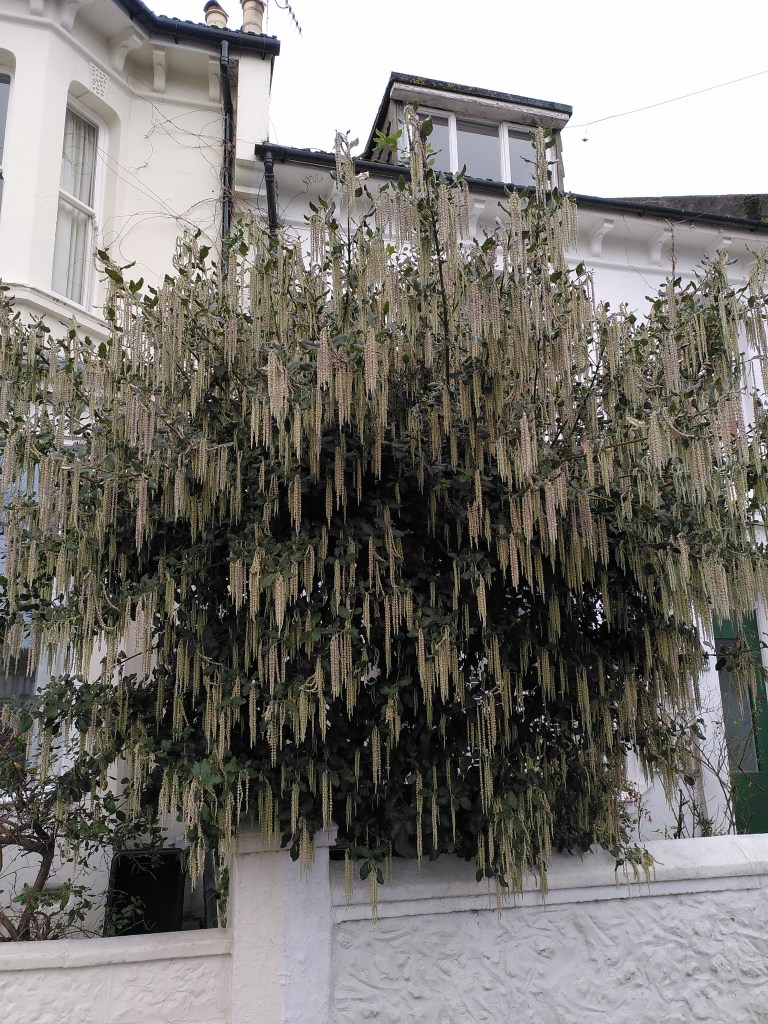
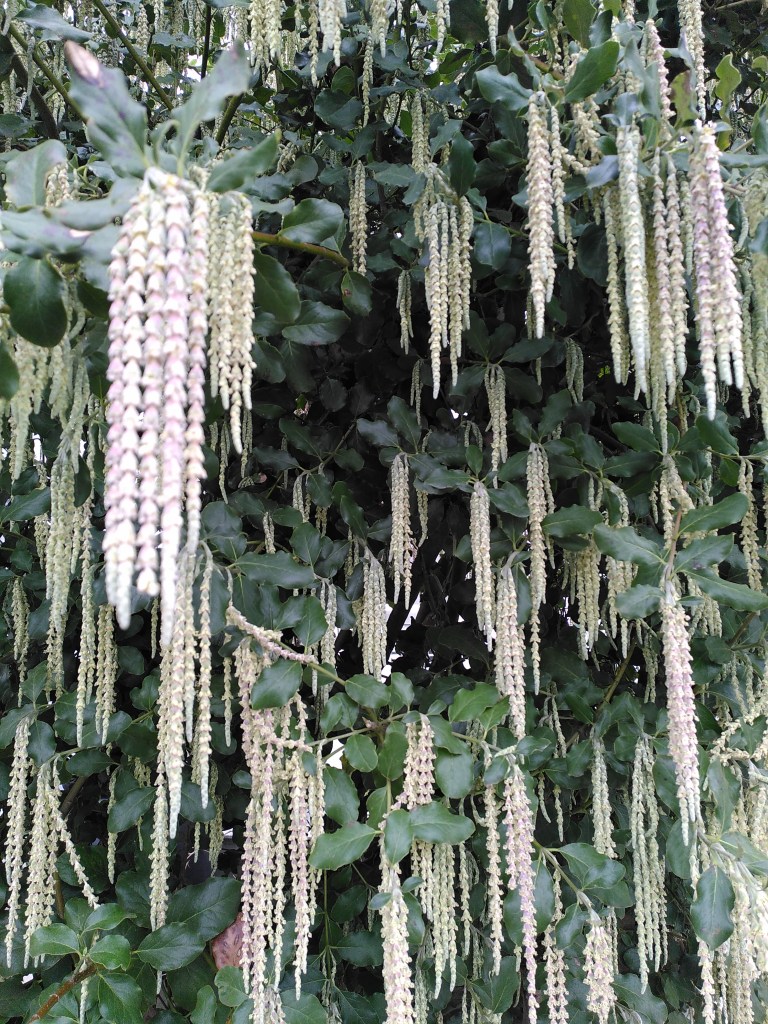
January and February is the time to see this magnificent shrub display its catkins that slowly open creating this wonderful display of silk tassle like flowers.
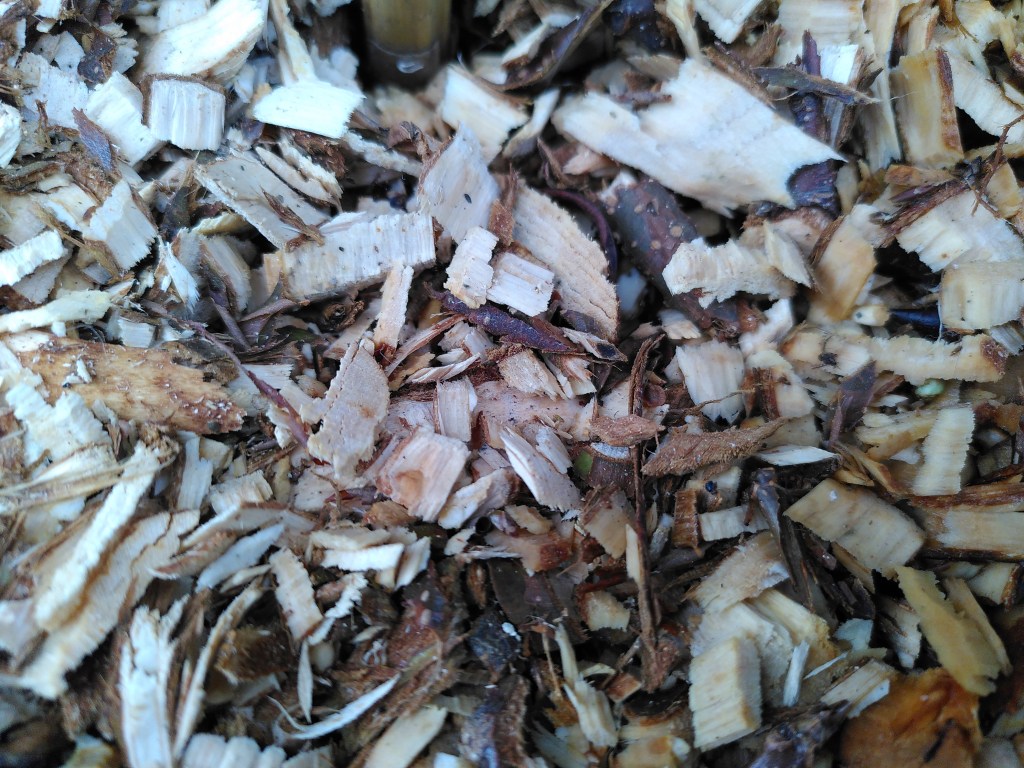
We are always keen on lessening our impact on the planet, if possible we chip small branches on site and create lovely woodchip mulch, this is perfect for beds and borders to retain moisture and suppress weeds and also reduces transport emissions. If there’s no use on site the woodchip is taken to a commercial recycling facility to become compost.

 Ecological Tree Surgeons