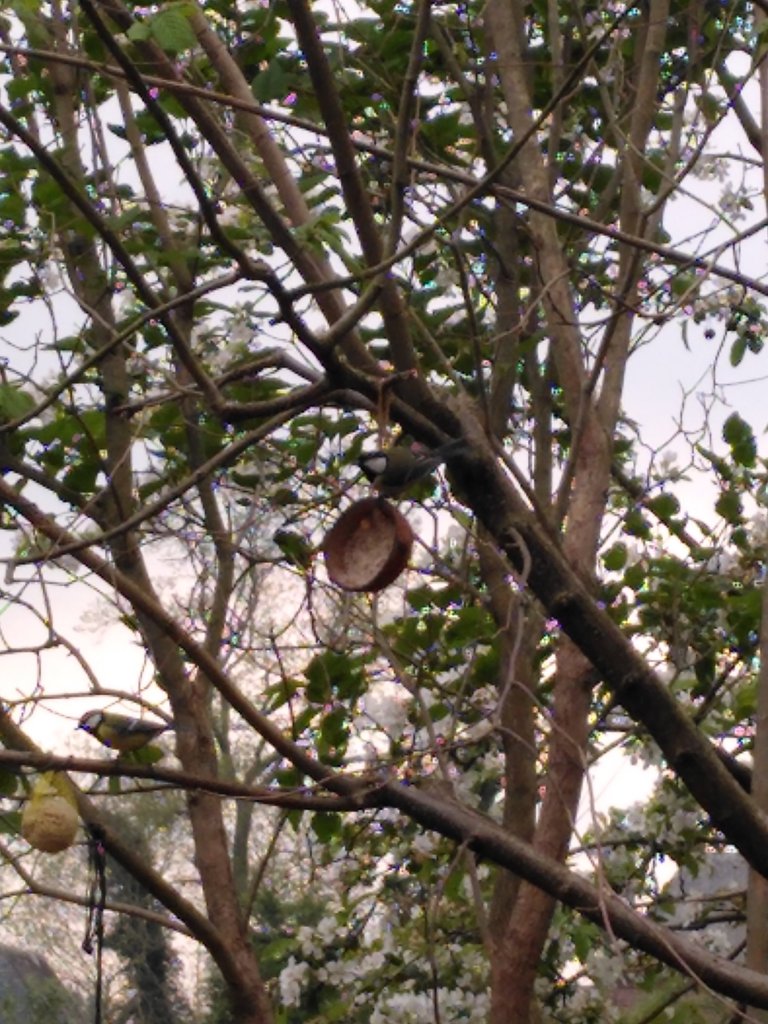
Love this half coconut bird feeder, the bluetits love it and hang upsidedown feeding from it, always good to feed and water the birds to bring life into a garden
Love this half coconut bird feeder, the bluetits love it and hang upsidedown feeding from it, always good to feed and water the birds to bring life into a garden
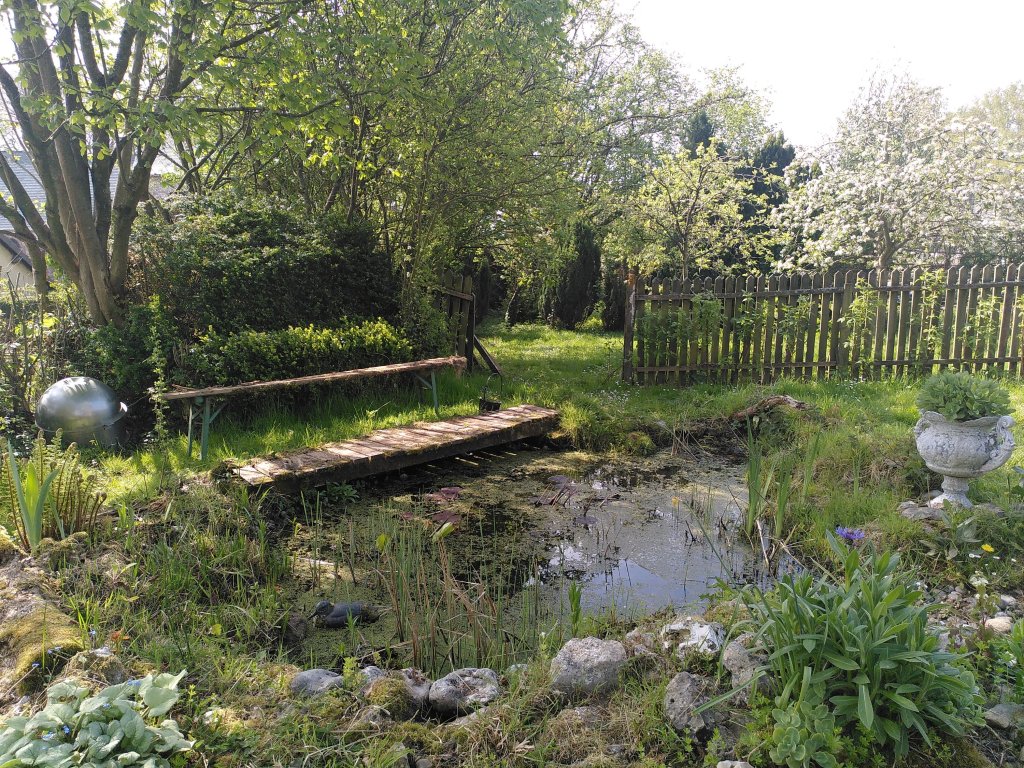
Bio diversity- there’s a lovely little pond where we’ve been working this week, the owner dug it out a few years ago and put in some pond plants .Within a year they had frogs and this year gold crested newts!
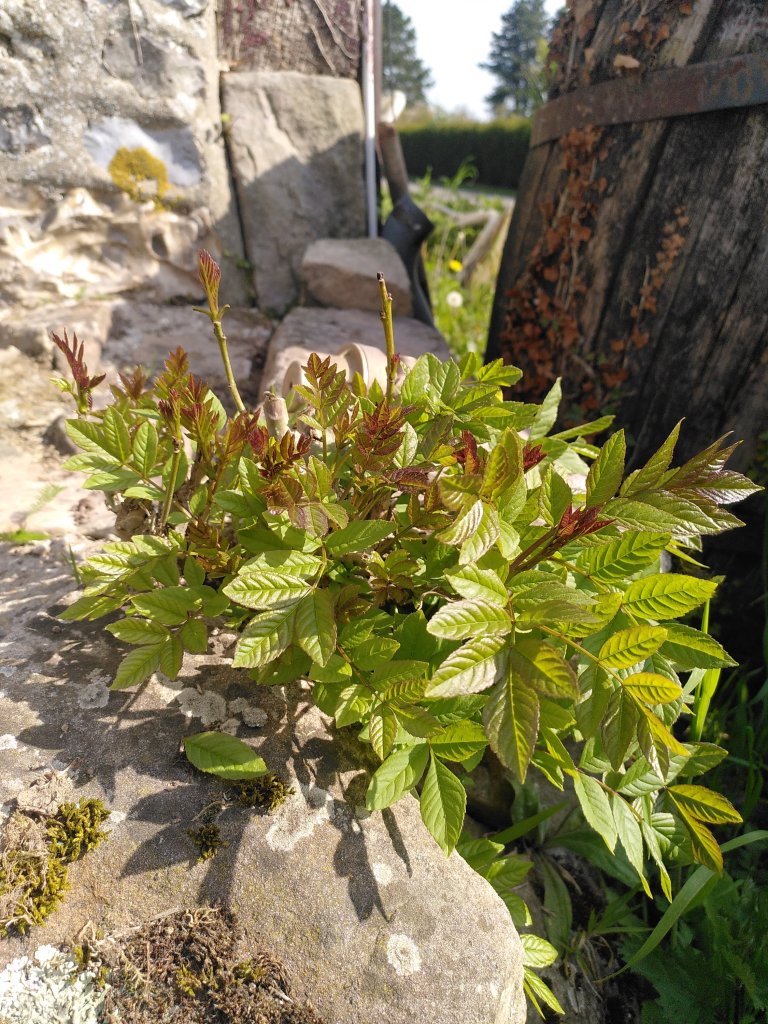
Ash seems to have a knack of getting into tiny cracks and taking root. Here it’s well rooted in the cobbles
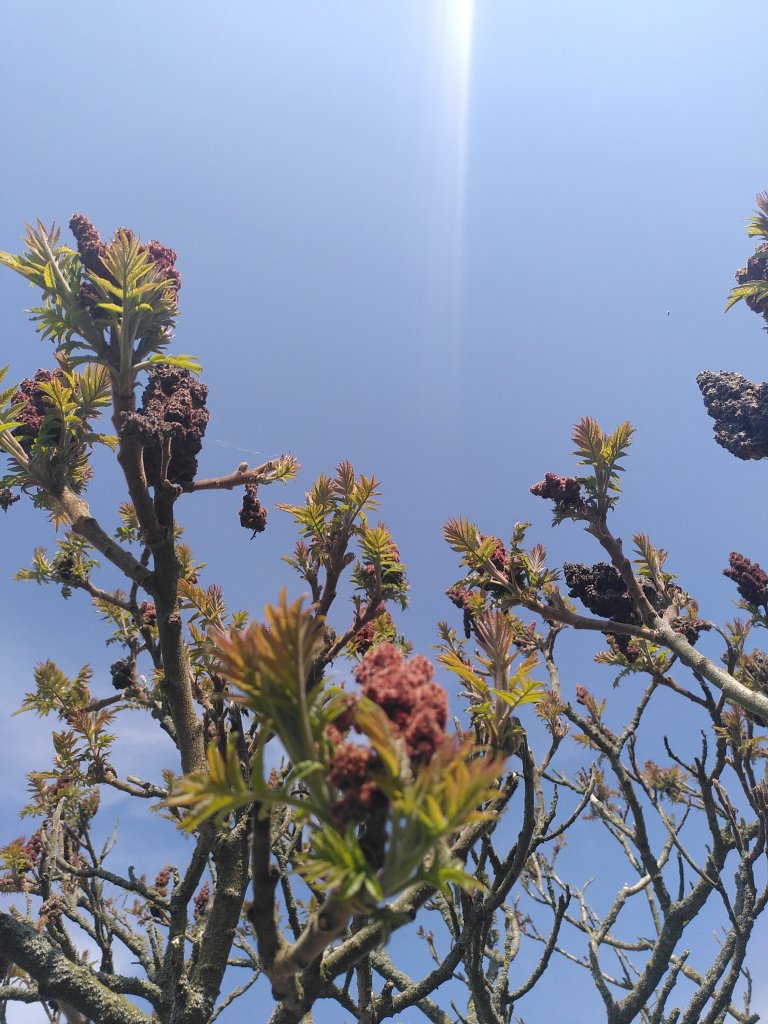
Theres a large red hazel tree here where we are working , quite unusual, often seen as a small ornamental tree, this one’s 6m plus .

Here it comes, after overwintering the old flowers you start to wonder if it’s still alive then on a hot spring day the new growth breaks
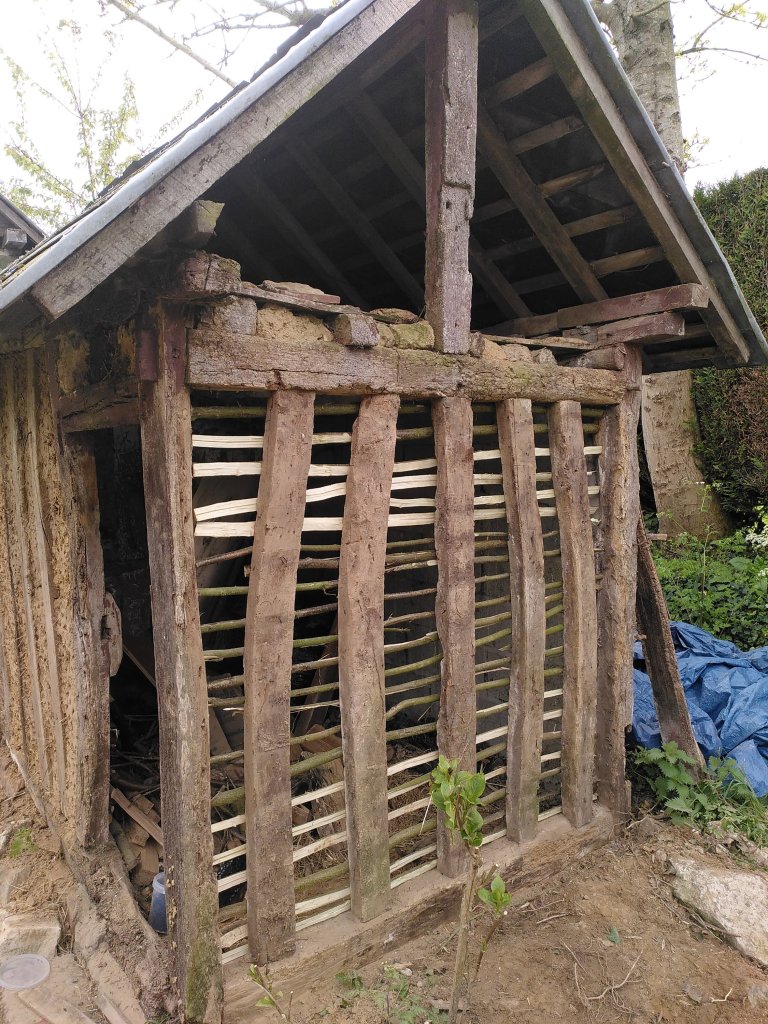
Some of the hazel we coppiced in February is being split and fixed to the inside of this traditional oak framed shed , it will have a mix of clay and stray laid between the timber to make the exterior wall

Cultivated since ancient times, edible figs beginning to appear along with leaf buds busting.
The Lilac tree here where we are working this week is starting to bloom with dark purplish flowers soon to be smelling sweet too.

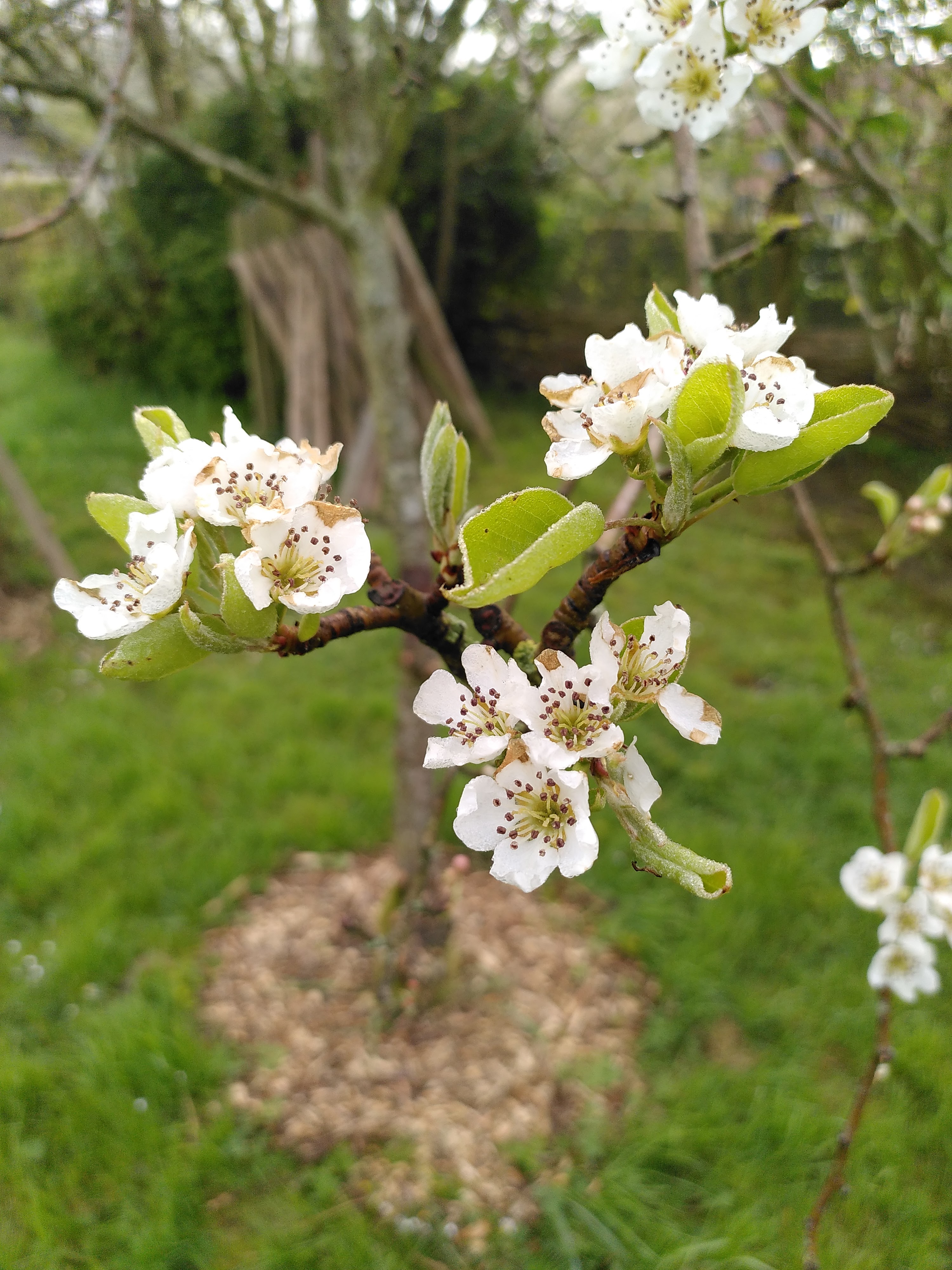
Pear blossom
Hymenoscyphus fraxineus is a fungus that infects ash trees, often seen in young trees and saplings that begin to lose leaves and die back at the tips. Older trees are also affected although a small amount may survive. Here’s a pic of a sapling with the distinctive diamond shaped lesion on the bark. For more details see https://www.forestresearch.gov.uk/tools-and-resources/fthr/pest-and-disease-resources/ash-dieback-hymenoscyphus-fraxineus/


 Ecological Tree Surgeons